1. What is snow sugar?
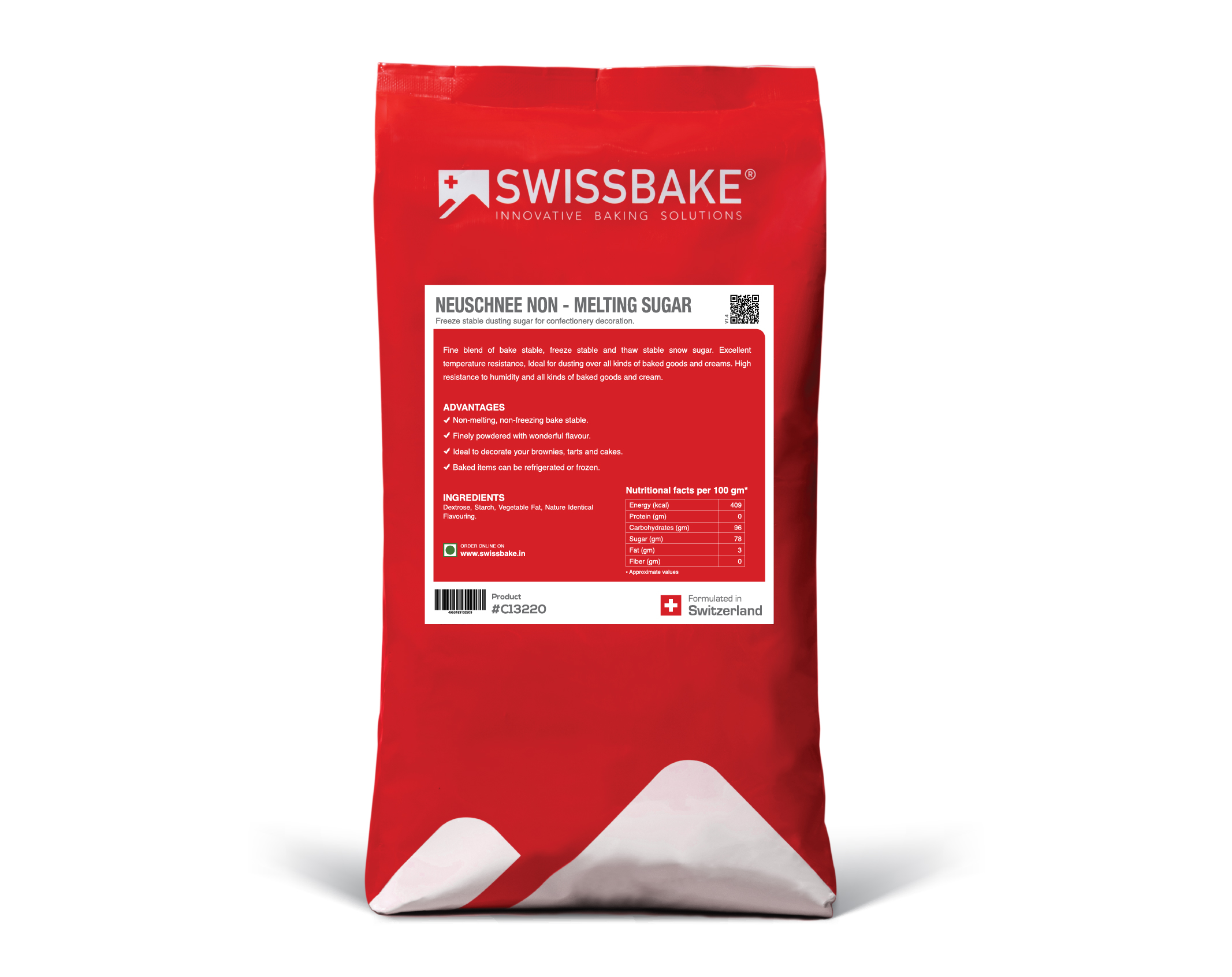
Snow sugar is a specially formulated dusting sugar designed to stay stable on baked goods without melting, even under heat, humidity, or freezing conditions. Unlike regular powdered sugar, it maintains its white, dusted appearance for longer, making it ideal for professional bakery finishes.
2. What is SwissBake® NEUSCHNEE | Snow Sugar used for?
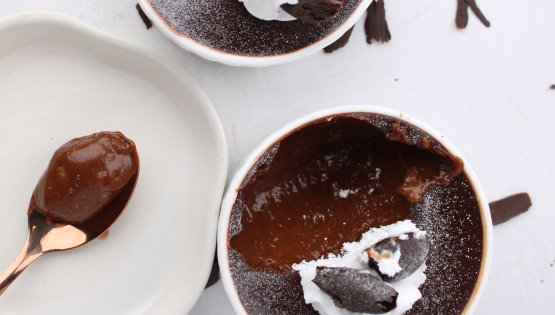
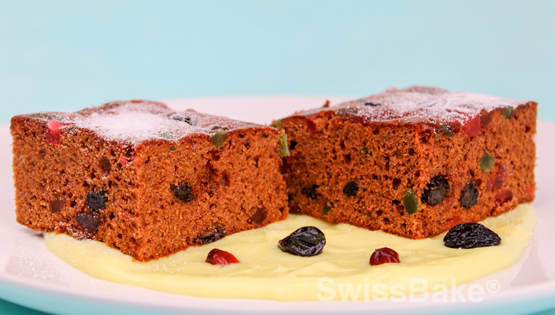
SwissBake® NEUSCHNEE | Snow Sugar is used for decorating and finishing baked goods such as cakes, pastries, cookies, and desserts. It provides a clean, professional dusted look that remains stable even on warm or chilled products.
3. Why does my powdered sugar melt or disappear on desserts?
Regular powdered sugar melts or dissolves due to heat, moisture, or refrigeration condensation. Snow sugar is specially designed to resist these conditions, ensuring it stays visible and intact on desserts for longer durations.
4. Can snow sugar be used on hot baked products?
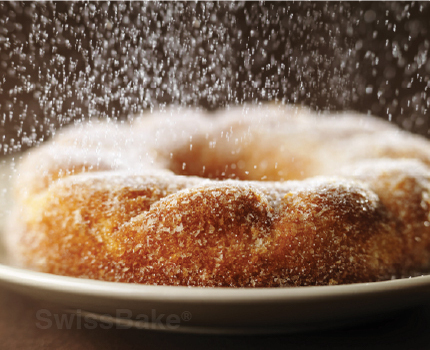
Yes, snow sugar is bake-stable and can be used on warm baked products without melting or losing its appearance. It is ideal for finishing freshly baked items while maintaining a clean visual presentation.
5. Is snow sugar suitable for frozen desserts?
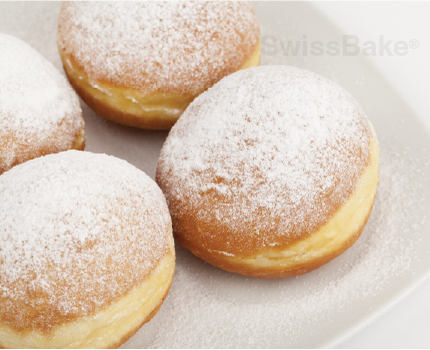
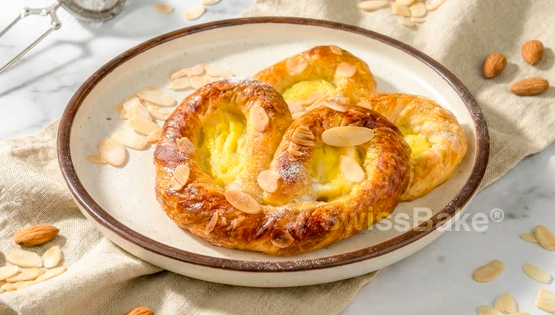
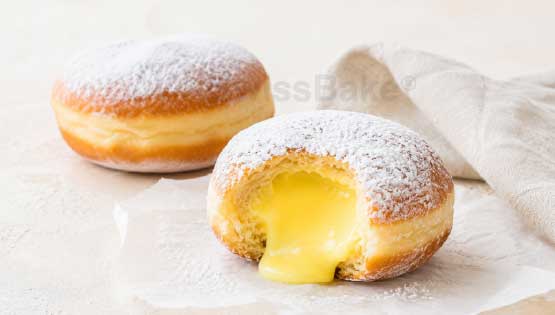
Yes, snow sugar is freeze and thaw stable, meaning it does not dissolve or change appearance on frozen desserts. For example, it can be used to enhance presentation on chilled pastries and frozen bakery items like German Berliner doughnuts, where stability after frying and cooling is essential.
6. How does snow sugar behave in humid conditions?
Snow sugar is humidity resistant and does not clump or dissolve easily in moist environments. This makes it ideal for display cakes, bakery counters, and humid climates where regular sugar finishes fail quickly.
7. Where can I use snow sugar in baking and pastry applications?
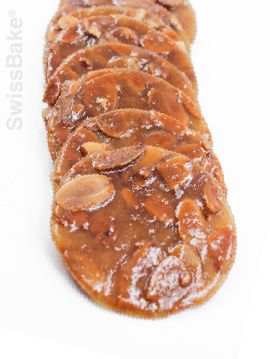
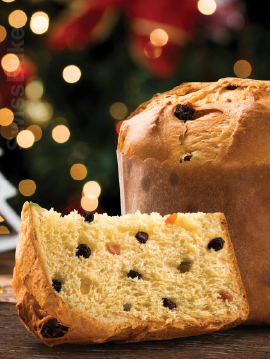
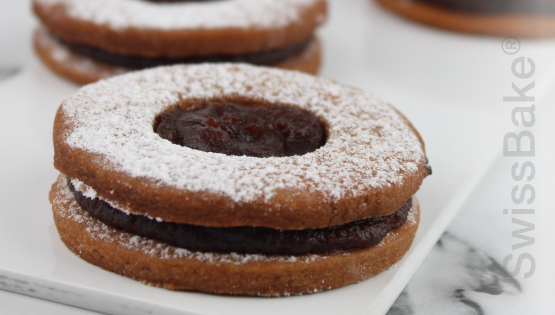
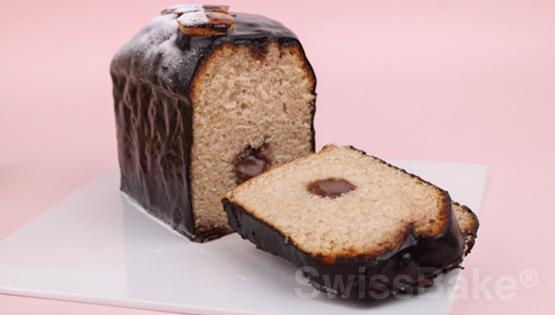
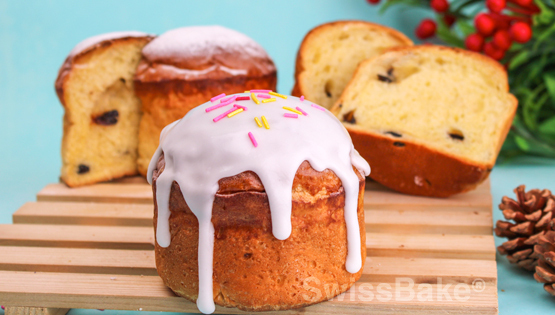
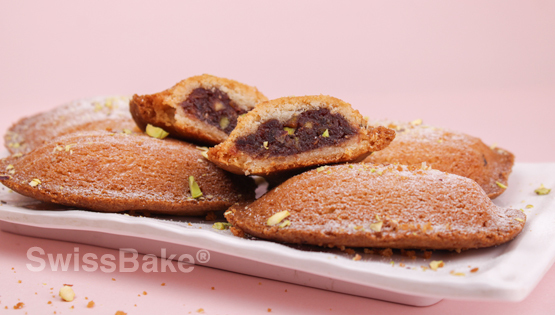
Snow sugar can be used across a wide range of applications including to garnish cakes, tarts, cookies, pastries, sweet breads and plated desserts. It is also commonly used in delicate European-style pastries such as a festive German stollen or almond lunettes, where a clean and stable dusting finish is required.
8. What is the difference between snow sugar and icing sugar?
Snow sugar is better because it is designed to stay stable under heat, humidity, and refrigeration without dissolving or disappearing. Regular icing sugar absorbs moisture quickly, whereas snow sugar maintains a professional finish for longer display and service times.
9. Can snow sugar be applied before baking?
No, snow sugar is generally not recommended for application before baking. Snow Sugar is designed to be more stable than regular icing sugar, applying it before baking can cause it to become absorbed into the product surface, reducing the bright white dusted finish. For the best visual effect and a clean, professional appearance, it is recommended to apply snow sugar after baking and cooling.
10. What makes SwissBake® Snow Sugar different from regular powdered sugar?
SwissBake® Snow Sugar is engineered for stability, while regular powdered sugar is not. It is resistant to heat, freezing, and humidity, ensuring a consistent decorative finish across all bakery and dessert applications.