1. What is gluten free flour?
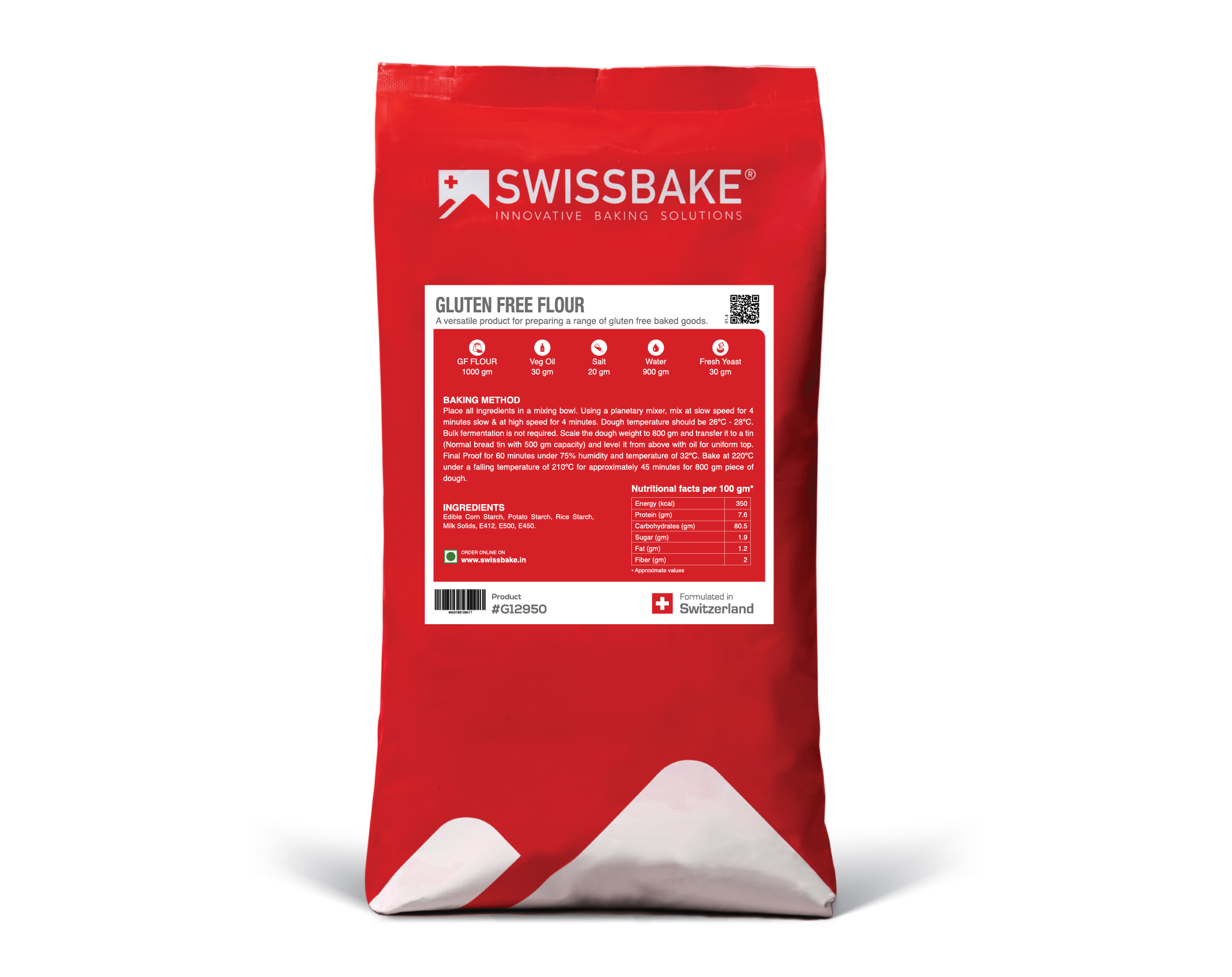
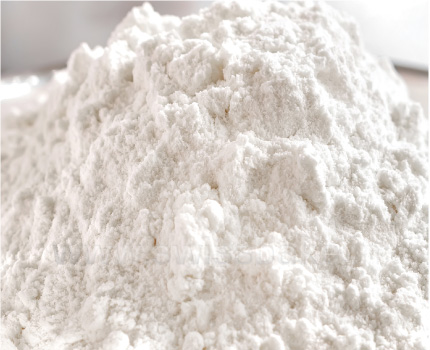
Gluten free flour is a blend of flours that do not naturally contain gluten, making it suitable for people with gluten intolerance, celiac disease, or those following a gluten-free diet.
It is designed to replicate the structure and functionality of regular flour while supporting the preparation of gluten-free baked products for scratch baking applications.
It is designed to replicate the structure and functionality of regular flour while supporting the preparation of gluten-free baked products for scratch baking applications.
2. What can I bake using gluten free flour?
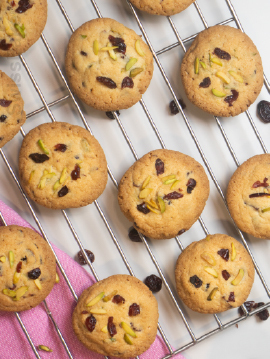
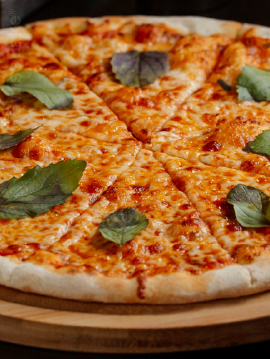
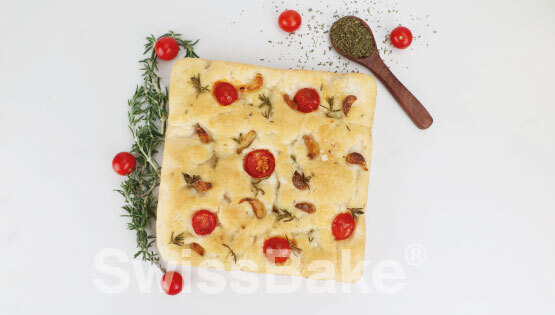
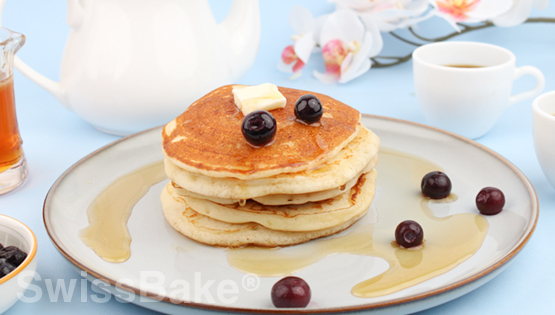
Gluten free flour can be used to prepare a wide range of baked products including breads, cakes, cookies, and breakfast items. You can easily make recipes like gluten-free pancakes or even artisan-style baked goods such as gluten-free focaccia, depending on the application.
3. Is gluten free flour vegan?
Yes, most gluten free flours are vegan as they are made from plant-based ingredients like rice, corn, or starches. SwissBake® Gluten Free Flour is suitable for vegan baking applications when used with compatible ingredients. However, it is always crucial to confirm with the claims and ingredients listed by the manufacturer.
4. Why does gluten free dough feel different from regular dough?
Gluten free dough lacks gluten, which is responsible for elasticity and structure in traditional dough. As a result, the dough may feel softer, stickier, or less stretchy, and often requires careful handling during shaping.
5. Why are my gluten free baked goods dry or crumbly?
Gluten free products can turn dry or crumbly due to lack of binding structure and insufficient moisture.
To improve texture:
To improve texture:
- Avoid overbaking
- Ensure proper hydration
- Follow recommended recipe ratios
6. How do I improve the texture of gluten free baking?
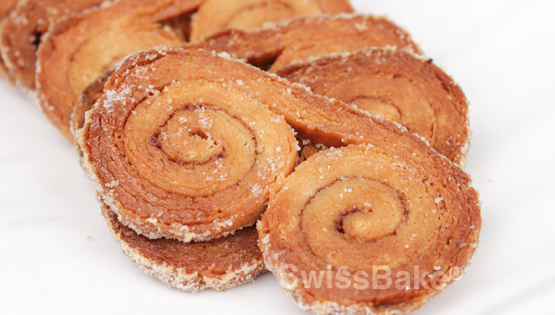
Improving gluten free texture requires proper hydration, mixing, and baking control. Using the right baking recipe and technique helps achieve better softness and structure, especially in delicate products like gluten-free palmiers.
7. Can I substitute gluten free flour for regular flour directly?
No, gluten free flour cannot always be substituted 1:1 for regular flour without adjustments. Since gluten provides structure, recipes may need slight modifications in liquid content or handling technique.
8. What texture can I expect from gluten free baked products?
Gluten free baked goods typically have a softer, slightly denser texture compared to traditional wheat-based products. However, with the right formulation and process, you can achieve balanced texture and good mouthfeel.
9. Is gluten free flour suitable for commercial baking?
Yes, gluten free flour is suitable for bakeries, professional chefs, central kitchens, and food businesses catering to gluten-free diets. It allows you to expand your menu while maintaining consistent quality and meeting dietary requirements.