
High Protein Bread as a Healthy Menu Upgrade
The growing demand for high-protein food options is creating new opportunities for bakeries, cafés, restaurants, and foodservice businesses to rethink familiar menu offerings. While protein-focused offerings have traditionally been associated with fitness and sports nutrition, protein is increasingly becoming a consideration in everyday food choices.
For businesses, this creates an opportunity to introduce high-protein options without completely changing their existing menus. Familiar products such as sandwiches, burgers, pitas, wraps, and breakfast breads can be adapted using high-protein bread formats, allowing businesses to offer an upgraded version of products customers already understand.
The opportunity is therefore less about creating an entirely new category and more about upgrading existing menu items with a high-protein proposition.
Why High Protein Bread is Becoming a Menu Opportunity?
Protein has become an increasingly visible consideration in food choices, encouraging businesses to explore ways of incorporating it into more everyday products. Bread provides an interesting opportunity because it already forms the base of several popular menu formats.
Instead of developing a completely new dish, a restaurant or café could offer a familiar sandwich in a high-protein bread, serve a burger with a protein-focused bun, or provide wraps using a high-protein pita. These changes can create a differentiated menu option while retaining the basic format of the original product.
For bakeries and foodservice operators, this approach can also create opportunities across different occasions. High-protein breads can be incorporated into breakfast offerings, café sandwiches, QSR-style burgers, filled rolls, wraps, and other savoury applications.
The key is to consider high-protein bread not simply as a specialty product, but as a building block for menu diversification. Businesses can assess their current menu and identify products where changing the bread component could create a new proposition without requiring a complete change in the dish.
High Protein Menu Options for Modern Food Businesses
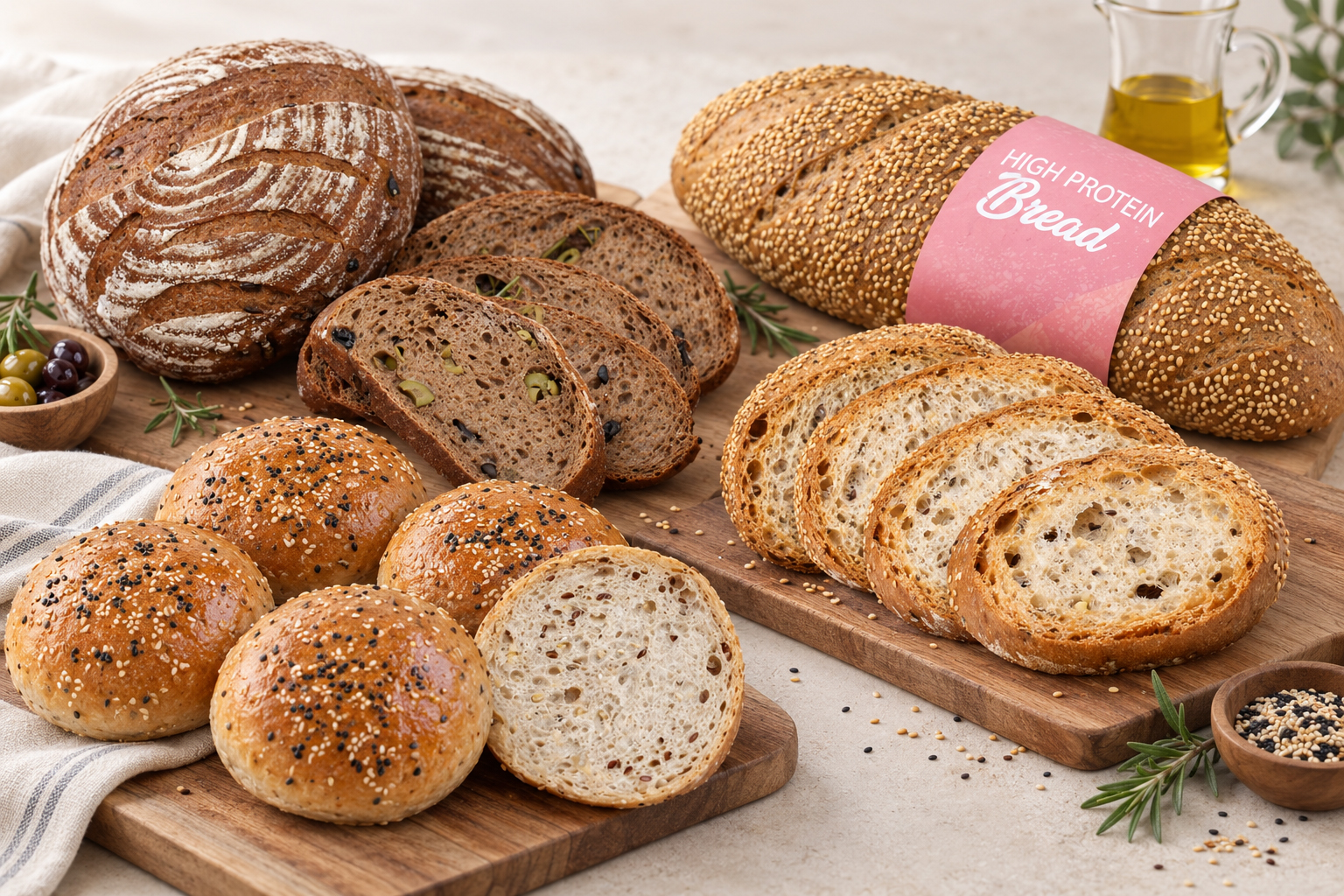
One of the simplest ways to introduce high-protein offerings is to look at existing menu items and identify where the bread component can be upgraded. This approach allows businesses to work with familiar products while creating an additional choice for customers.
A bakery could introduce high-protein loaves or rolls alongside its existing range. A café could add a protein-focused sandwich or breakfast toast, while a restaurant could offer a high-protein version of an existing burger or they can upgrade their favourite sandwich or burger with a high protein bread option.
This type of menu development also provides flexibility. Businesses can begin with a few relevant applications, assess customer response, and expand the range based on demand rather than changing the entire menu at once.
High Protein Burger Bun Ideas for Restaurants and Cafés
Burgers and sandwiches already offer established formats where the bread plays an important role in the overall product. Replacing a conventional bun with a high-protein alternative can create a differentiated version without requiring significant changes to the filling or preparation.
For example, a restaurant could offer a regular burger alongside a high-protein burger bun option. Existing chicken, vegetable, or other burger combinations can remain the same while the bread becomes the differentiating component.
A creative application such as Protein Burger Bun demonstrates how high-protein bread can be translated into a familiar and commercially relevant format. The concept can be adapted across different fillings and menu styles depending on the business.
High Protein Bread for Sandwiches and Toasted Applications
Sandwiches and toasted bread-based items offer a practical way for bakeries and foodservice businesses to introduce high-protein options without changing their existing menu structure. Familiar preparations such as grilled vegetable sandwiches, chicken sandwiches, club sandwiches, or cheese toasties can be made using a protein-rich bread instead of a standard loaf.
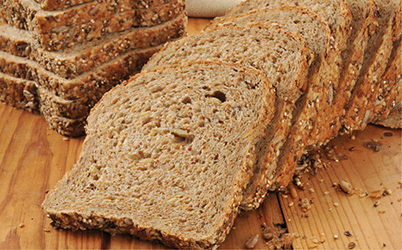
For example, a bakery or café could introduce a high-protein chicken sandwich using a multigrain and seed-based bread, adding a more protein-focused alternative to its existing sandwich range. Similarly, toasted bread can be used for breakfast or snack applications, giving businesses another way to incorporate high-protein options into different menu occasions.
This approach allows businesses to build on familiar recipes and preparation methods while offering an upgraded bread choice, making menu diversification more practical for everyday operations.
Protein Rich Bread for Different Menu Applications
High-protein bread does not need to be limited to a single type of loaf. Different bread styles can be developed according to the menu application, target audience, and desired product experience.
A softer bread may be suited to sandwiches, while a firmer or more structured format could work better for filled pitas or wraps. Bread can also be developed into smaller products for snacks and grab-and-go applications.
This flexibility gives businesses an opportunity to consider where a protein rich bread can add value within their existing range instead of treating it as a standalone product category.
Chia Seed Bread for Plant-Focused Menu Options
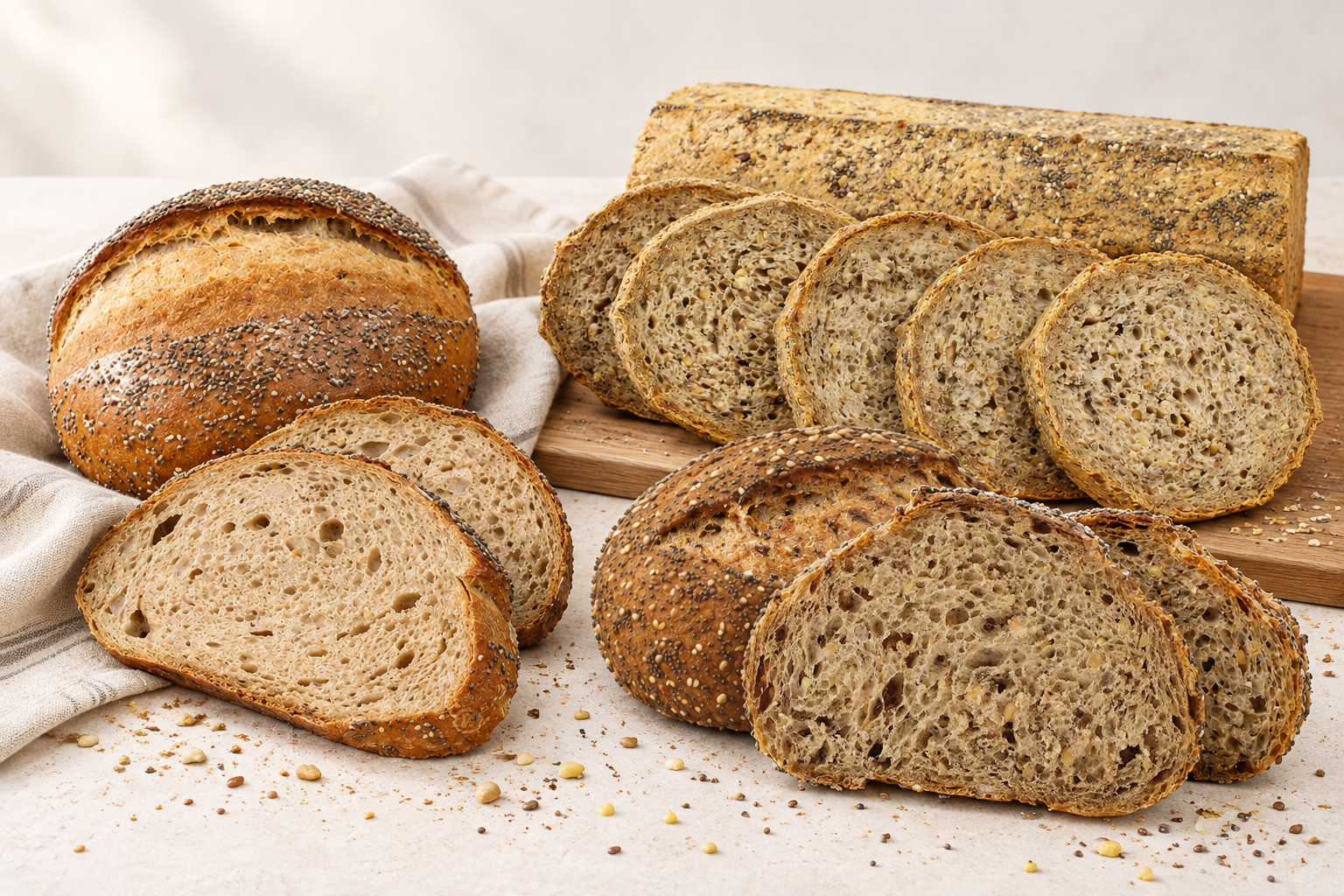
Chia provides another route for developing bread products around plant-based protein. Its inclusion can be particularly relevant for businesses looking to expand their range of plant-focused offerings.
Chia seed bread mix provides a base for developing such applications, allowing businesses to explore bread formats incorporating chia alongside a plant-focused protein proposition.
For example, a café could use chia seed bread for sandwiches or breakfast offerings, while bakeries could explore different loaf and bread formats suited to their existing range.
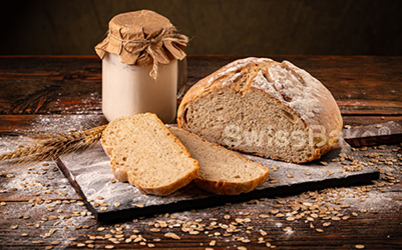
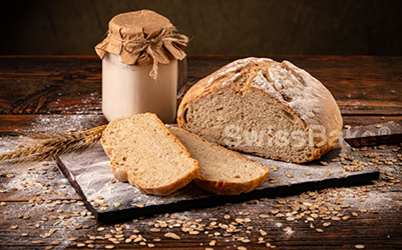
A creative application such as Pain de Campagne demonstrates how a chia-based bread can be developed into a more traditional artisan-style format rather than being restricted to a single health-focused application.
Soya Bread for Protein-Focused Applications
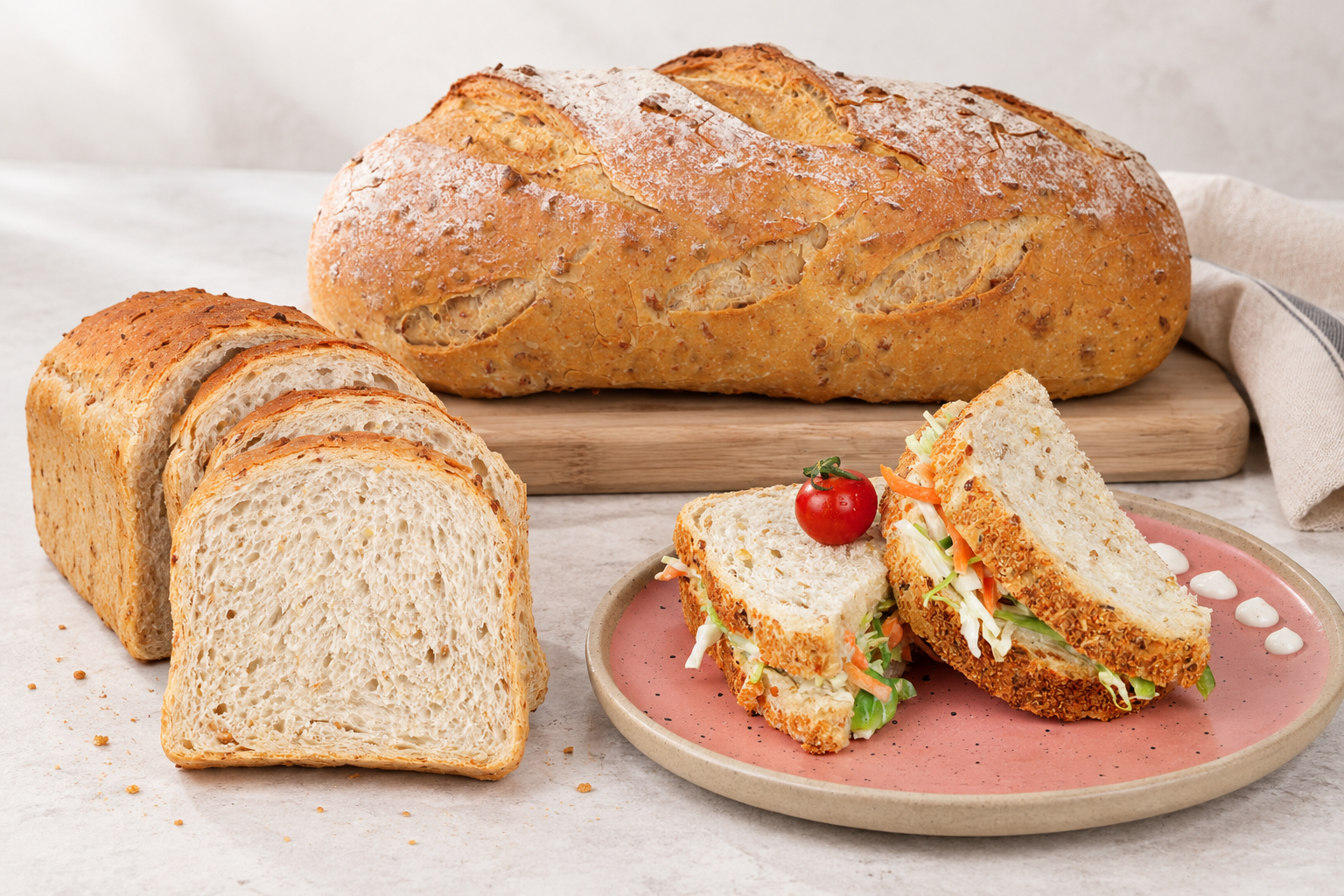
Soy is another accessible source of protein that can be incorporated into bread formulations. Soya Bread Mix provides a soy-based option for businesses looking to develop high-protein bread products.
It can be considered for applications such as sandwiches, filled breads, and other savoury menu formats. For example, a Coleslaw Soya Sandwich shows how soya bread can become part of a complete menu application rather than being treated simply as a standalone bread.
Because soy is a known allergen, businesses using soy-based bread options should ensure that appropriate allergen information and handling practices are followed.
Bakery Menu Ideas for High Protein Bread
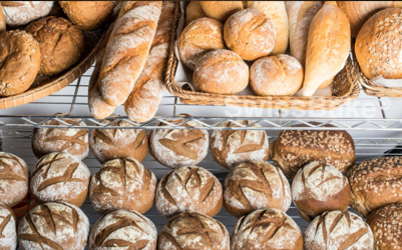
High-protein bread can support a variety of bakery menu ideas beyond conventional loaves. Bakeries can explore products according to their existing equipment, production capabilities, and customer base.
For a retail bakery, this could include high-protein sandwich breads, rolls, buns, and smaller snack products. Cafés could use the same concept for breakfast sandwiches, toast-based offerings, and filled breads. Restaurants and QSRs could explore high-protein buns, pitas, and wraps.
Another approach is to create variations around an existing successful product. If a bakery already produces a popular sandwich loaf, for example, a high-protein version could be introduced as an additional option. This allows the business to build on existing customer familiarity rather than introducing an entirely unfamiliar format.
Creating Variety Without Reinventing the Menu
Menu innovation does not necessarily require completely new recipes. Businesses can often create new propositions by changing one component of an existing product.
A conventional burger can become a high-protein burger through the use of a protein-focused bun. A standard wrap can be offered in a high-protein pita, while an existing sandwich can be prepared using a protein-rich bread.
This approach can make product development more practical because the filling, toppings, and overall preparation method may remain largely unchanged. The business can therefore introduce an upgraded option while maintaining the familiarity of its existing menu.
Menu Diversification Through High Protein Bread
Menu diversification does not always mean introducing an entirely new dish. Businesses can often create new menu propositions by modifying one component of an existing product.
High-protein bread provides an opportunity to do this across several categories. A restaurant could introduce a high-protein version of an existing sandwich, a café could offer a protein-focused breakfast toast, or a QSR could provide a high-protein burger bun as an alternative.
Similarly, an existing whole wheat pita could be supplemented with a high-protein pita option for selected wraps. The filling does not necessarily need to change; the bread itself becomes the differentiating component.
This approach can make menu development more practical because businesses can build upon products, recipes, and preparation processes that are already familiar to their teams. It also allows them to test demand for protein-focused options without immediately restructuring their entire menu.
Supporting Different Menu Occasions with High Protein Bread
Another advantage of working with high-protein bread is the range of occasions it can support. The same underlying concept can be adapted for breakfast, lunch, snacking, or on-the-go consumption.
Breakfast menus could incorporate high-protein toast, bread rolls, or filled breakfast sandwiches. Café menus could use protein-focused bread for sandwiches and open-faced preparations, while restaurants could explore burgers, wraps, and pitas.
For grab-and-go formats, smaller bread-based products and crackers can provide additional possibilities. High Protein Crackers, for example, demonstrate how a bread mix can be developed into a different snack format.
This allows businesses to consider high-protein options across different dayparts rather than restricting the concept to one type of customer or meal. Such flexibility can also help businesses determine which applications best fit their existing operations.
From High Protein Demand to Practical Menu Innovation
Responding to high-protein demand does not require every product on a menu to become protein-focused. Instead, businesses can identify specific categories where a high-protein alternative is likely to complement their existing offerings.
Bread is particularly suited to this approach because of its role across multiple food formats. The same high-protein bread concept can potentially support sandwiches, burgers, toast-based dishes, and snack applications, depending on its formulation and production characteristics.
Standardized bread solutions can also help businesses develop these applications more consistently. A defined base can provide a starting point for different bread formats, while businesses can adapt the finished products according to their menu requirements and presentation.
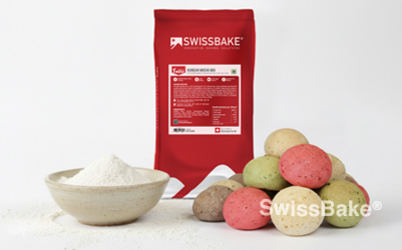
The three approaches represented by high protein bread mix, chia seed bread mix and soya bread mix also demonstrate that high-protein bread development does not have to follow one formulation. A multigrain and seed-based approach, a chia-based plant-focused option, and a soy-based option can each lend themselves to different menu concepts and customer requirements.
The presence of sourdough powder across these solutions can also support bread applications where sourdough characteristics are desired, while the final product will depend on the formulation and preparation process.
Making High Protein Bread Part of the Menu Strategy
The growing interest in protein-rich foods presents an opportunity for bakeries and foodservice businesses to look at familiar products from a new perspective. Instead of treating high-protein offerings as a completely separate category, businesses can use them to upgrade existing menu items and create additional choices for customers.
From protein burger buns and high-protein crackers to chia-based artisan breads and soy-based sandwiches, the applications can extend well beyond a conventional loaf. Pitas, wraps, breakfast breads, sandwiches, and other familiar formats can similarly be adapted to create protein-focused alternatives.
The most effective approach is to select applications that align with the business's existing menu, production capabilities, and customer expectations. High-protein bread can then become more than a standalone offering—it can serve as a practical component of menu diversification and help businesses respond to changing demand while keeping familiar food formats at the centre of the menu.